Knowing How to Wash Your Orange Prom Dress Without Ruining It is essential for preserving the beauty, structure, and long-term wearability of a formal gown after prom night. Orange prom dresses are especially delicate because their vibrant color reacts strongly to water temperature, detergent type, and handling methods. A single mistake during washing can lead to fading, texture damage, or distortion of fine fabrics such as satin, chiffon, or tulle.
Unlike everyday clothing, prom dresses are constructed using layered fabrics, structured linings, and often decorative embellishments like beads or sequins. These elements require a controlled and informed cleaning process rather than standard laundry methods. Understanding fabric behavior is the foundation of proper dress care.
EmberGlow approaches gown maintenance from a professional fashion preservation perspective, treating each piece as a crafted garment rather than a disposable outfit. This guide explains safe, expert-level cleaning methods that help protect your orange prom dress while maintaining its original elegance and shape.
Why Orange Prom Dresses Need Special Care

Understanding How to Wash Your Orange Prom Dress Without Ruining It begins with recognizing why orange prom dresses require more delicate handling than other colors. Orange is a high-intensity pigment that reacts strongly to heat, chemicals, and friction, making it more vulnerable to fading or uneven discoloration.
From a textile perspective, orange dyes often sit closer to the fabric surface compared to darker tones. This means they are more likely to bleed or fade when exposed to hot water, aggressive detergents, or long soaking periods. Even sunlight during drying can gradually reduce color vibrancy if not properly controlled.
Fabric type further increases sensitivity. Satin reflects light and can show water marks easily, chiffon is prone to stretching when handled incorrectly, and tulle can permanently lose structure if twisted or wrung. Lace and embellished fabrics introduce additional risks due to their delicate detailing and stitched components.
Another important factor is garment construction. Most prom dresses are not simple garments but engineered pieces with internal boning, layered skirts, and structured bodices. These elements are designed for visual shaping, not mechanical washing forces. Improper cleaning can weaken these structures and affect how the dress fits and flows.
Because orange prom dresses are highly visible under lighting and photography, even minor damage becomes noticeable. This makes careful cleaning not just a maintenance step, but an essential part of preserving the dress’s aesthetic value.
Before Washing Your Prom Dress – Key Checks
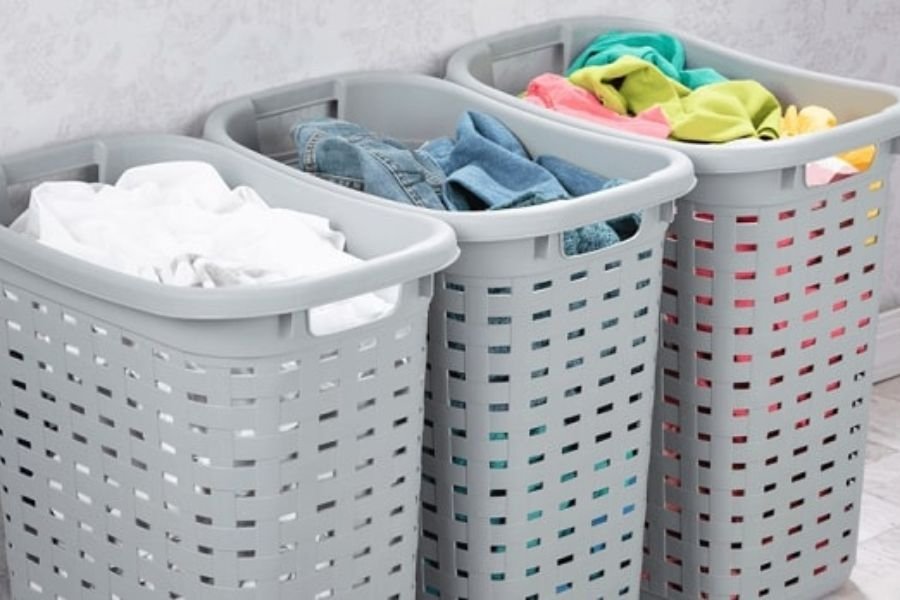
Before applying any method in How to Wash Your Orange Prom Dress Without Ruining It, a careful inspection process is necessary to determine the safest cleaning approach. This step helps prevent irreversible fabric damage and ensures the correct method is selected based on material and condition.
Fabric Identification and Care Label Review
The first step is identifying the fabric composition. Satin, chiffon, tulle, crepe, and lace each respond differently to water and detergent exposure. Satin requires minimal agitation due to its smooth surface, while chiffon demands extremely gentle handling to preserve its flow.
Care labels inside the garment should always be reviewed before washing. These instructions are provided by the manufacturer and reflect the garment’s structural limitations. Ignoring them significantly increases the risk of damage.
Stain Inspection and Pre-Treatment
A full inspection for stains is essential before washing. Common prom-related stains include makeup, sweat, perfume, food, and drink spills. Each stain type reacts differently to cleaning agents and requires specific treatment strategies.
Identifying stains early helps prevent them from setting deeper into the fabric. This is particularly important for orange dresses, where discoloration is more visible under light exposure.
Spot Testing Cleaning Products
A spot test should always be performed before using any cleaning solution. Apply a small amount of detergent or stain remover to an inner seam or hidden area of the dress to check for color reaction or fabric damage.
This step is especially important for orange prom dresses because dye sensitivity can vary depending on production quality and fabric blending. A successful spot test ensures the cleaning method is safe for full application.
Hand Washing Method (Safest Approach)
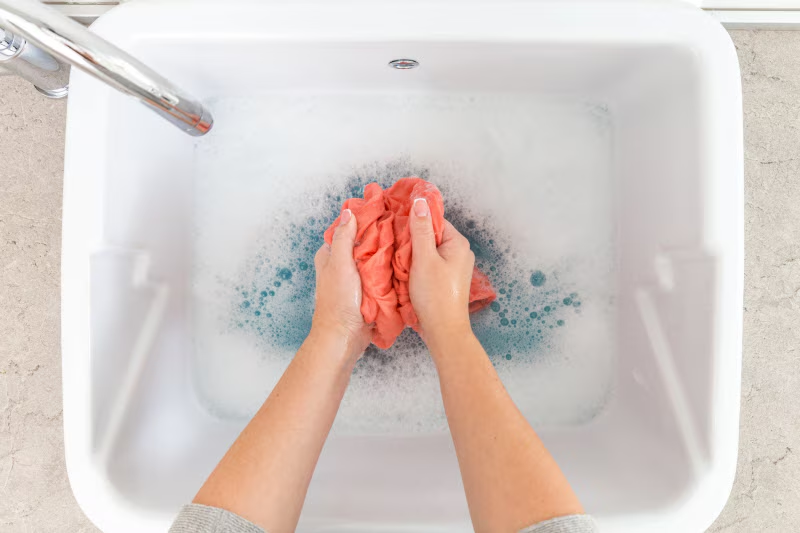
Hand washing is the most recommended method in How to Wash Your Orange Prom Dress Without Ruining It, as it provides full control over water temperature, movement, and fabric exposure.
Preparing Cold Water and Mild Detergent
Fill a clean basin with cold water. Cold water is essential because it prevents dye bleeding, fabric shrinkage, and texture distortion. Add a small amount of mild detergent specifically formulated for delicate fabrics.
Harsh chemicals, bleach, and strong stain removers should never be used, as they can permanently weaken fibers and alter the dress’s color tone.
Gentle Washing Technique
Submerge the dress carefully and allow it to soak briefly. Use gentle swishing motions to loosen dirt and residue without applying friction. Avoid scrubbing, twisting, or wringing, as these actions can damage delicate materials like chiffon and lace.
The goal is controlled cleaning with minimal stress on the fabric structure. Movement should always be slow and intentional.
Rinsing and Safe Water Removal
Rinse the dress thoroughly with cold water until all detergent is removed. Any remaining soap residue can cause stiffness or visible marks once the fabric dries.
Instead of wringing, gently press the dress between clean towels to remove excess water. This helps maintain the garment’s shape and prevents stretching in layered fabrics.
Machine Washing (Only If Safe)
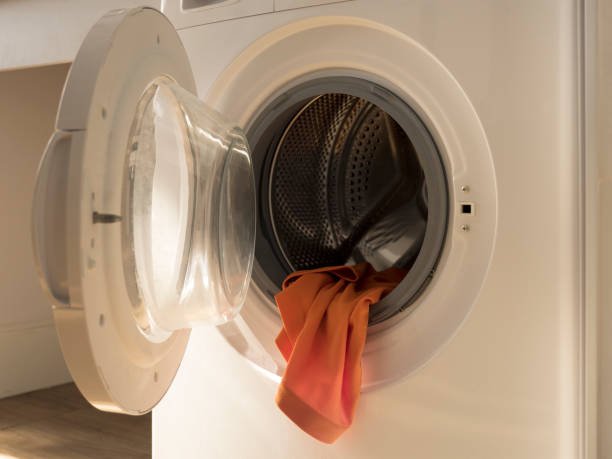
Machine washing is a secondary method in How to Wash Your Orange Prom Dress Without Ruining It, and should only be used when fabric composition clearly allows it.
When Machine Washing Is Appropriate
Machine washing is suitable only for durable materials such as polyester blends or non-structured fabrics. Dresses with heavy embellishments, lace overlays, or satin finishes should not be machine washed due to high risk of damage.
Understanding fabric limitations is essential before selecting this method.
Protective Washing Setup
If machine washing is necessary, the dress must be placed inside a garment bag to reduce friction. A delicate cycle with cold water should always be selected to minimize stress on fibers.
High-speed spinning should be avoided because it can stretch seams and distort fabric layers. Washing the dress separately from heavy clothing is also important to prevent pressure damage.
Detergent Selection and Safety Control
Only mild detergents should be used. Fabric softeners are not recommended because they can leave residue on satin and chiffon surfaces, affecting texture and appearance.
While machine washing is convenient, it carries a higher level of risk compared to hand washing and should only be used when fully appropriate.
Dry Cleaning – Professional Care Method

Dry cleaning is the most reliable approach in How to Wash Your Orange Prom Dress Without Ruining It, especially for luxury or heavily decorated gowns.
How Dry Cleaning Works
Dry cleaning uses specialized chemical solvents instead of water to remove stains and dirt. These solvents are designed to clean fabrics without disturbing their structure or color integrity.
This method is particularly effective for satin, lace, crepe, and embellished dresses that cannot tolerate water-based cleaning.
Benefits for Delicate Fabrics
Dry cleaning preserves fabric shine, structural integrity, and decorative details. It is especially important for dresses with beadwork, embroidery, or complex layering systems.
Professional cleaners also understand internal garment construction such as boning and corsetry, reducing the risk of deformation during cleaning.
When to Choose Professional Cleaning
Dry cleaning should be selected when dealing with high-value dresses, delicate fabrics, or difficult stains. It is also recommended when long-term preservation of the gown is a priority.
This ensures maximum protection and maintains the original appearance of the dress over time.
Stain Removal Techniques for Orange Prom Dresses
Stain removal is one of the most sensitive steps in How to Wash Your Orange Prom Dress Without Ruining It, especially because orange fabric tends to highlight stains more visibly under light. Prompt and correct treatment can determine whether the dress remains perfect or becomes permanently damaged.
Makeup and Foundation Stains
Makeup stains often appear around the neckline, straps, or bodice area after prom night. Foundation, lipstick, and powder can quickly settle into satin or chiffon if not treated early.
Instead of rubbing, gently blot the area using a clean cloth to absorb excess residue. A mild detergent diluted with cold water can then be applied using soft dabbing motions. Oil-based makeup may require a fabric-safe cleanser designed for delicate garments.
Sweat and Body Oil Stains
Sweat stains commonly form in underarm areas or inner seams. On orange fabrics, they can become more visible if left untreated.
A cold water soak combined with a gentle detergent helps break down salt and oil buildup. In some cases, diluted white vinegar can be carefully applied to neutralize odor and residue. The key is minimal soaking time to avoid fabric weakening.
Food and Drink Stains
Food and drink spills, including wine, sauces, or chocolate, require immediate action. The longer the stain remains, the harder it becomes to remove.
Blot the stain immediately without spreading it. Apply a gentle stain remover suitable for delicate fabrics, then rinse with cold water. Multiple gentle treatments are always safer than aggressive scrubbing.
Drying Methods Without Damaging Fabric
Proper drying is a crucial part of How to Wash Your Orange Prom Dress Without Ruining It, because incorrect drying can undo all cleaning efforts and permanently alter fabric shape.
Air Drying for Safe Fabric Care
Air drying is the safest and most recommended method. Lay the dress flat on a clean towel or hang it on a padded hanger in a shaded, ventilated space.
Direct sunlight should be avoided because it can fade orange tones and weaken delicate fibers over time. Controlled airflow ensures even drying while preserving fabric structure.
Preventing Shape Distortion
Heavy or layered dresses must be supported evenly while drying. Hanging a wet dress without support can stretch seams and distort the silhouette.
Structured gowns are often better dried flat to maintain their original shape, especially those with layered skirts or embellishments.
Moisture Removal Technique
Instead of wringing the dress, gently press it between absorbent towels to remove excess water. This method protects delicate fibers and prevents stretching or tearing.
Wrinkle Prevention and Fabric Care After Drying
Wrinkle control plays an important role in How to Wash Your Orange Prom Dress Without Ruining It, especially for fabrics like satin that show creases easily.
Natural Hanging Method
After partial drying, hanging the dress on a padded hanger helps gravity naturally release minor wrinkles. This method works well for chiffon and lightweight satin blends.
The hanger should be wide enough to support shoulder structure and prevent pressure marks.
Safe Steaming Technique
Steaming is a preferred alternative to ironing for delicate dresses. A handheld steamer gently relaxes wrinkles without direct fabric contact.
It should always be used at a safe distance to avoid water spotting or heat damage.
Avoiding Direct Ironing
Direct ironing is risky for most prom fabrics. If necessary, it should be done on the lowest heat setting with a protective cloth placed between the iron and fabric.
Fabric-Specific Care Guide
Different materials require different aftercare approaches in How to Wash Your Orange Prom Dress Without Ruining It, especially after washing and drying.
Satin Care
Satin requires gentle handling to maintain its glossy surface. Steaming is preferred over ironing to avoid pressure marks or shine loss.
Chiffon Care
Chiffon is extremely lightweight and should never be twisted or wrung. It should be air-dried carefully to preserve its flow and softness.
Tulle Care
Tulle should remain uncompressed during drying and storage. Excess pressure can permanently flatten its volume and texture.
Lace Care
Lace requires careful handling around stitched areas. Pulling or stretching should be avoided to prevent thread damage or unraveling.
Proper Storage After Washing
Storage is the final and often overlooked stage in How to Wash Your Orange Prom Dress Without Ruining It, but it plays a major role in long-term preservation.
Breathable Storage Protection
Always use breathable garment bags to store prom dresses. Plastic covers should be avoided because they trap moisture and may cause mildew or discoloration.
Acid-Free Tissue Layering
Placing acid-free tissue paper between folds helps prevent permanent creases and protects delicate fabric layers during storage.
Ideal Hanging Conditions
Use padded or wooden hangers to support structure. Store the dress in a cool, dry environment away from sunlight and humidity.
Common Mistakes to Avoid After Washing
Many prom dresses are damaged after cleaning due to improper handling. Avoiding these mistakes is essential in How to Wash Your Orange Prom Dress Without Ruining It:
- Storing the dress while still damp
- Using plastic bags for long-term storage
- Folding without protective tissue layers
- Exposing fabric to direct sunlight during drying
- Using high heat ironing on delicate materials
Each mistake can reduce fabric lifespan and permanently affect appearance.
Explore EmberGlow Orange Prom Dress Collection
Choosing the right dress is only the beginning of your prom experience. At EmberGlow, each orange prom dress is designed with both beauty and fabric durability in mind, making post-event care easier and safer.
From satin silhouettes that maintain shine after cleaning, to chiffon gowns that stay lightweight and breathable, EmberGlow collections are crafted for long-lasting wearability. Many designs also feature structured stitching and fabric blends that respond better to gentle washing methods outlined in this guide.
If you are planning your next look or searching for a gown that balances elegance with easy maintenance, exploring EmberGlow’s curated selection of prom dresses can help you find styles that are both stunning and practical for long-term use.
Conclusion
Understanding How to Wash Your Orange Prom Dress Without Ruining It requires more than basic cleaning knowledge. It involves stain management, controlled drying, fabric-specific care, wrinkle prevention, and proper storage techniques. Each step contributes to preserving the dress’s original beauty and structural integrity.
By following these professional care principles, your orange prom dress can remain in excellent condition long after prom night. For more styling inspiration and high-quality formalwear designed with durability in mind, EmberGlow continues to provide expert-approved fashion guidance and collections that combine elegance with long-term care performance.