Choosing the right materials for formalwear is often underestimated, yet it is one of the most important factors that determines how a prom night actually feels in reality. Many shoppers focus heavily on color, silhouette, or embellishment, but what truly defines the experience of wearing a gown for several hours is something far more practical: breathable fabrics for comfortable all-night prom fun.
A dress can look stunning in photos, with perfect lighting and structured tailoring, but still become uncomfortable after an hour of movement if the fabric traps heat, restricts airflow, or lacks proper lining. This is why fabric science plays such a critical role in modern prom fashion, especially for long events that include dancing, walking, sitting, and social interaction under warm indoor lighting.
For shoppers looking for comfortable prom dress fabrics, understanding how different materials behave in real conditions helps prevent discomfort and improves confidence throughout the entire night. Lightweight textures, proper airflow, and smart construction techniques all contribute to whether a gown feels wearable or exhausting.
In this guide, EmberGlow breaks down how breathable fabrics for comfortable all-night prom fun affect temperature control, movement quality, and long-wear comfort. Instead of focusing only on aesthetics, this article explores how fabric performance directly shapes real-life prom experiences and how shoppers can choose dresses that balance elegance with functionality.
Why Breathable Fabrics Matter for Prom Night Comfort
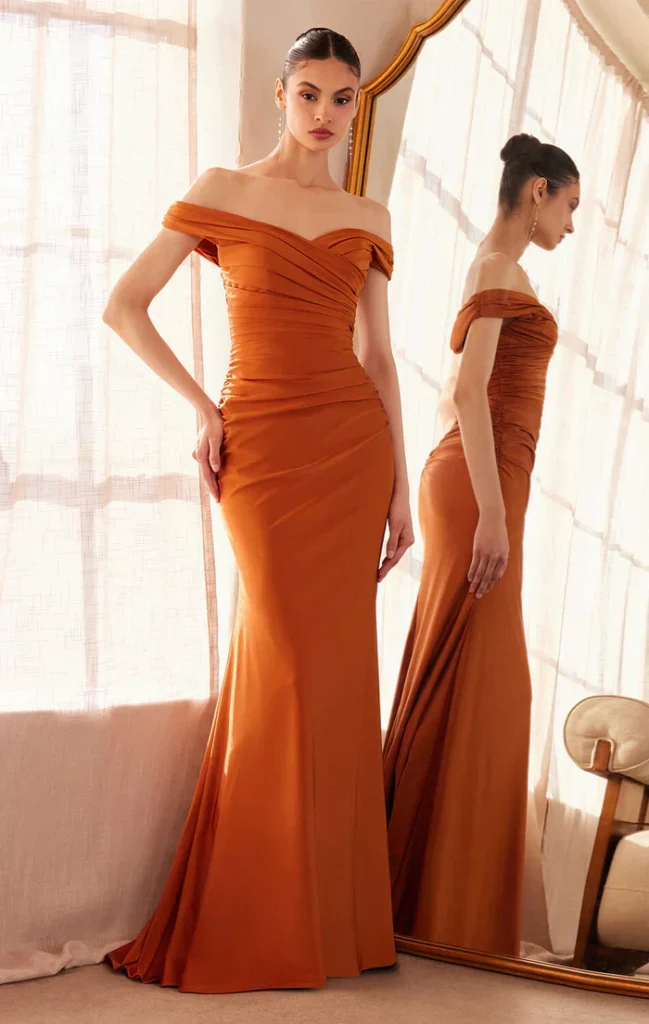
Prom is not a short event. It is a multi-hour experience that combines physical movement, emotional energy, photography, social interaction, and often changing environments. Because of this, fabric selection becomes a functional decision, not just a stylistic one.
When a dress is made from non-breathable or heavy materials, it can quickly create discomfort in ways that are not immediately visible at first fitting. Many of these issues only appear once the wearer begins to move, dance, or spend extended time in the gown.
Prom Night Creates Continuous Physical Demand
Unlike casual clothing, prom dresses are worn in active environments where the body is constantly moving. Even moments that feel passive, such as sitting during dinner or standing for photos, still affect how fabric interacts with heat and skin.
A typical prom evening involves:
- Long photography sessions under lighting
- Continuous walking between locations
- Extended standing during social interaction
- Hours of dancing in crowded spaces
- Periodic sitting and posture changes
Each of these activities changes how fabric behaves against the body. This is why lightweight prom dress materials are not just a preference, but often a necessity for comfort.
Heavy fabrics or poorly constructed gowns may feel fine in static conditions but become restrictive once movement begins.
Heat Build-Up Is One of the Biggest Comfort Issues
One of the most common problems in formalwear is heat retention. Indoor venues often combine lighting systems, crowded spaces, and physical activity, all of which increase body temperature naturally.
When a fabric does not allow airflow, heat becomes trapped between layers of material and skin. This can lead to:
- Increased sweating
- Sticky fabric contact
- Discomfort during dancing
- Reduced ability to move freely
- Overall fatigue earlier in the night
This is where breathability in formalwear fabrics becomes essential. Breathable materials allow air circulation, helping regulate temperature and maintain comfort even during long events.
Movement Comfort Directly Impacts Confidence
Comfort is not only physical, it also affects emotional expression. When a dress feels heavy or restrictive, it subconsciously limits movement, posture, and confidence.
Breathable fabrics tend to:
- Flow naturally with body movement
- Reduce resistance during walking or dancing
- Prevent stiffness in layered designs
- Support smoother transitions between motions
This is especially important for silhouettes such as A-line or mermaid gowns, where movement defines the visual effect of the dress.
A gown that supports movement properly allows the wearer to focus on the experience instead of adjusting the dress constantly.
Fabric Weight Influences Long-Wear Experience
Another key factor is weight distribution. Heavier fabrics may create a structured and luxurious appearance, but they often place more physical strain on the wearer over time.
Lightweight materials help:
- Reduce pressure on shoulders and waist
- Improve endurance during long events
- Maintain comfort during extended wear
- Support natural posture without fatigue
This is why stylists often recommend balancing structure with comfortable evening dresses design principles rather than choosing heavy materials alone.
Breathability Is a Combination of Fabric + Construction
Many people assume breathability depends only on the outer fabric, but in reality, it is the result of both material and internal construction.
Even lightweight fabrics can feel uncomfortable if:
- Lining is too dense
- Layers are poorly spaced
- Stitching restricts movement
- Internal structure traps heat
This means that fabric construction quality is just as important as the material itself.
Best Breathable Fabrics for Comfortable Prom Dresses

Understanding fabric behavior is key to choosing gowns that feel good throughout the entire evening. Each material has different strengths depending on how it is constructed and styled.
Chiffon – The Lightest Flowing Comfort Fabric
Chiffon is one of the most breathable materials commonly used in prom fashion. Its ultra-light structure allows continuous airflow and soft movement, making it ideal for long events.
Key characteristics of chiffon include:
- Extremely lightweight feel
- High airflow between fibers
- Soft and floating drape
- Minimal heat retention
Because of its structure, chiffon is often used in layered skirts and flowing silhouettes where movement is a key visual feature.
This fabric is especially effective in warm environments because it does not trap heat easily, supporting long-term all-night comfort during wear.
However, chiffon requires proper lining support because its delicate nature can make it prone to transparency and structural instability if not reinforced.
Satin – Balanced Elegance With Controlled Breathability
Satin is often associated with luxury and shine, but modern satin fabrics vary significantly in weight and breathability depending on weave and quality.
Good satin construction provides:
- Smooth surface comfort against skin
- Elegant reflective finish
- Moderate airflow depending on density
- Structured yet flexible movement
A well-designed orange satin prom dress can offer both elegance and comfort when paired with breathable inner layers and smart tailoring.
Unlike heavier satin used in older formalwear designs, modern satin blends often prioritize wearability while maintaining visual richness.
Tulle – Volume Without Excess Weight
Tulle is widely used in prom dresses to create volume while keeping the overall weight low. It is a key material in achieving dramatic silhouettes without sacrificing comfort.
Benefits include:
- Lightweight layered structure
- Air pockets between layers for ventilation
- Soft visual volume effect
- Comfortable movement flexibility
Tulle is especially effective in A-line or princess-style gowns where fullness is desired but heaviness must be avoided.
When combined with soft lining, tulle contributes significantly to breathable fabrics for comfortable all-night prom fun by maintaining airflow while preserving structure.
Crepe – Structured Yet Flexible Fabric Choice
Crepe offers a more tailored appearance compared to chiffon or tulle, but still maintains moderate breathability and movement flexibility.
Its key properties include:
- Slight elasticity for movement comfort
- Clean draping ability
- Medium weight with airflow balance
- Minimal stiffness in design
Crepe is often used in modern minimalist gowns where structure and simplicity are prioritized.
It is a strong option for shoppers seeking comfortable prom dress fabrics with a more refined and contemporary aesthetic.
Mesh Lining – The Hidden Comfort Layer
Mesh lining plays a crucial role in modern formalwear, even though it is not visible externally. It significantly improves overall comfort performance.
Mesh lining helps:
- Improve airflow under fabric layers
- Reduce direct skin contact with heavy materials
- Control moisture buildup
- Enhance movement flexibility
Even heavier gowns can feel significantly more comfortable when mesh lining is properly integrated.
This internal structure is one of the most important elements in achieving real-world wearability.
Fabric Blending for Optimal Performance
Modern prom dresses rarely rely on a single fabric alone. Instead, designers combine multiple materials to achieve balance between aesthetics and comfort.
Common combinations include:
- Satin bodice with chiffon skirt
- Tulle layers with breathable lining
- Crepe structure with soft mesh interior
These combinations allow gowns to:
- Maintain visual elegance
- Improve airflow efficiency
- Support movement comfort
- Balance structure with flexibility
This hybrid approach is now standard in high-quality formalwear design.
How Fabric Construction Affects Real Comfort on Prom Night
Even when a dress is made from breathable materials, the way it is constructed can completely change how it feels after several hours of wear. This is where many shoppers misunderstand formalwear: comfort is not only about the outer fabric, but also about internal structure, lining systems, stitching density, and how different layers interact with the body during movement.
To truly achieve breathable fabrics for comfortable all-night prom fun, designers must combine material choice with intelligent construction techniques that support airflow, flexibility, and long-term wearability.
Lining Systems Determine Skin Comfort
The lining is the layer that sits directly against the skin, and it plays a much bigger role in comfort than most people realize. Even lightweight outer fabrics can feel heavy or sticky if the lining traps heat or lacks softness.
High-quality lining contributes to:
- Reduced friction against skin
- Better airflow between layers
- Improved moisture control
- Smoother movement during dancing
Low-quality lining, on the other hand, often creates discomfort even in otherwise breathable dresses. This is why comfortable prom dress fabrics must always be evaluated together with their inner structure, not separately.
Mesh lining or soft cotton-blend lining is commonly used in better-constructed gowns because it helps regulate temperature without affecting exterior design.
Layering Design Controls Airflow Efficiency
Prom dresses often include multiple layers for volume, shape, or visual depth. However, layering can either improve or reduce comfort depending on spacing and fabric balance.
Well-designed layering allows:
- Air circulation between fabric layers
- Reduced heat accumulation
- More natural fabric movement
- Balanced weight distribution
Poor layering traps heat and restricts airflow, making even lightweight materials feel heavy after extended wear.
This is especially important for gowns with tulle skirts or structured silhouettes, where volume must be balanced with breathability.
Stitching and Seam Work Influence Flexibility
Another overlooked factor in comfort is stitching density. Seam placement and stitching tension affect how freely a garment moves with the body.
Tight stitching can create rigidity and restrict movement
Balanced stitching allows fabric to flex naturally
When stitching is done correctly, the gown supports movement during walking and dancing without pulling or tension buildup.
This directly contributes to the performance of lightweight prom dress materials, ensuring they remain comfortable during long events.
Corset Structures Require Careful Breathability Balance
Corset-style dresses are popular for shaping and silhouette definition, but they must be carefully designed to avoid restricting airflow or movement.
A well-balanced corset design provides:
- Structured waist support
- Controlled shaping without excessive compression
- Stability during movement
Modern designs often integrate flexible boning and breathable panels so structure does not come at the cost of comfort.
Choosing the Right Orange Prom Dress for All-Night Comfort

Fabric performance becomes even more important when paired with silhouette design. Different dress shapes distribute weight, airflow, and movement differently, which directly impacts comfort.
Orange Satin Prom Dress – Elegant Structure With Balanced Comfort
An orange satin prom dress offers a polished, reflective finish that works well for formal events. When properly constructed, satin can feel smooth against the skin and provide a balanced combination of structure and elegance.
Comfort depends heavily on lining quality, fabric weight, and tailoring precision.
Orange A-Line Prom Dress – Maximum Breathability and Movement
The A-line silhouette is one of the most breathable and comfortable designs available in formalwear. Because the skirt expands gradually from the waist, it allows continuous airflow and free movement.
Benefits include:
- Reduced fabric pressure on the body
- Excellent airflow around legs
- Easy walking and dancing comfort
- Lightweight visual structure
This makes the orange A-line prom dress one of the strongest comfort-focused choices.
Orange Corset Prom Dress – Structured Support With Controlled Breathability
Corset dresses provide shaping and posture support, but require careful construction.
When well-designed, they offer:
- Strong silhouette definition
- Stable upper body support
- Elegant formal structure
Comfort depends on flexible boning, breathable lining, and proper sizing.
Orange Mermaid Prom Dress – Elegant Shape With Movement Considerations
Mermaid silhouettes are more fitted, which naturally reduces airflow compared to looser designs. However, lightweight fabrics and stretch construction can significantly improve comfort.
Key considerations include:
- Stretch fabric integration
- Lightweight layering
- Strategic seam placement
Common Mistakes That Reduce Comfort in Prom Dresses
Many discomfort issues during prom night come from avoidable decisions rather than fabric limitations alone.
Choosing Style Over Fabric Performance
Heavy embellishments or synthetic fabrics may look impressive but often trap heat and reduce airflow.
Ignoring Inner Lining Quality
Poor lining can cause irritation, heat buildup, and reduced movement comfort even if the outer fabric is high quality.
Overlooking Dress Weight Distribution
Uneven weight placement creates pressure on shoulders or waist, reducing endurance during long wear.
Selecting the Wrong Size
Incorrect sizing restricts movement or creates friction, both of which reduce comfort significantly.
Expert Tips to Stay Comfortable All Night at Prom
Prioritize breathable fabric first when choosing a dress
Test movement before the event to identify discomfort areas
Choose lightweight undergarments to reduce heat buildup
Allow fabric to adjust naturally to body movement
Explore Breathable and Elegant Orange Prom Dresses at EmberGlow
At EmberGlow, every gown is designed with a balance of elegance and real-world comfort. The collection focuses on breathable fabric choices, lightweight construction, and carefully engineered silhouettes that support long wear during prom night.
From chiffon gowns to satin dresses and structured A-line designs, each piece is crafted to enhance airflow and movement. Whether selecting an orange satin prom dress, a flowing chiffon gown, or a structured corset style, EmberGlow ensures breathable fabrics for comfortable all-night prom fun remain at the core of every design.
Conclusion: True Comfort Comes From Smart Fabric Design
The real experience of prom night depends on more than visual appeal. Understanding breathable fabrics for comfortable all-night prom fun helps shoppers choose dresses that support movement, regulate temperature, and maintain comfort throughout the entire event.
Chiffon, satin, tulle, crepe, and mesh lining each contribute differently to comfort performance, and when combined with thoughtful construction, they create gowns that feel as good as they look.
For shoppers who want both elegance and comfort, EmberGlow offers carefully designed prom dresses that ensure confidence, movement freedom, and all-night wearability.